










“Stop the greed and lower the lease”
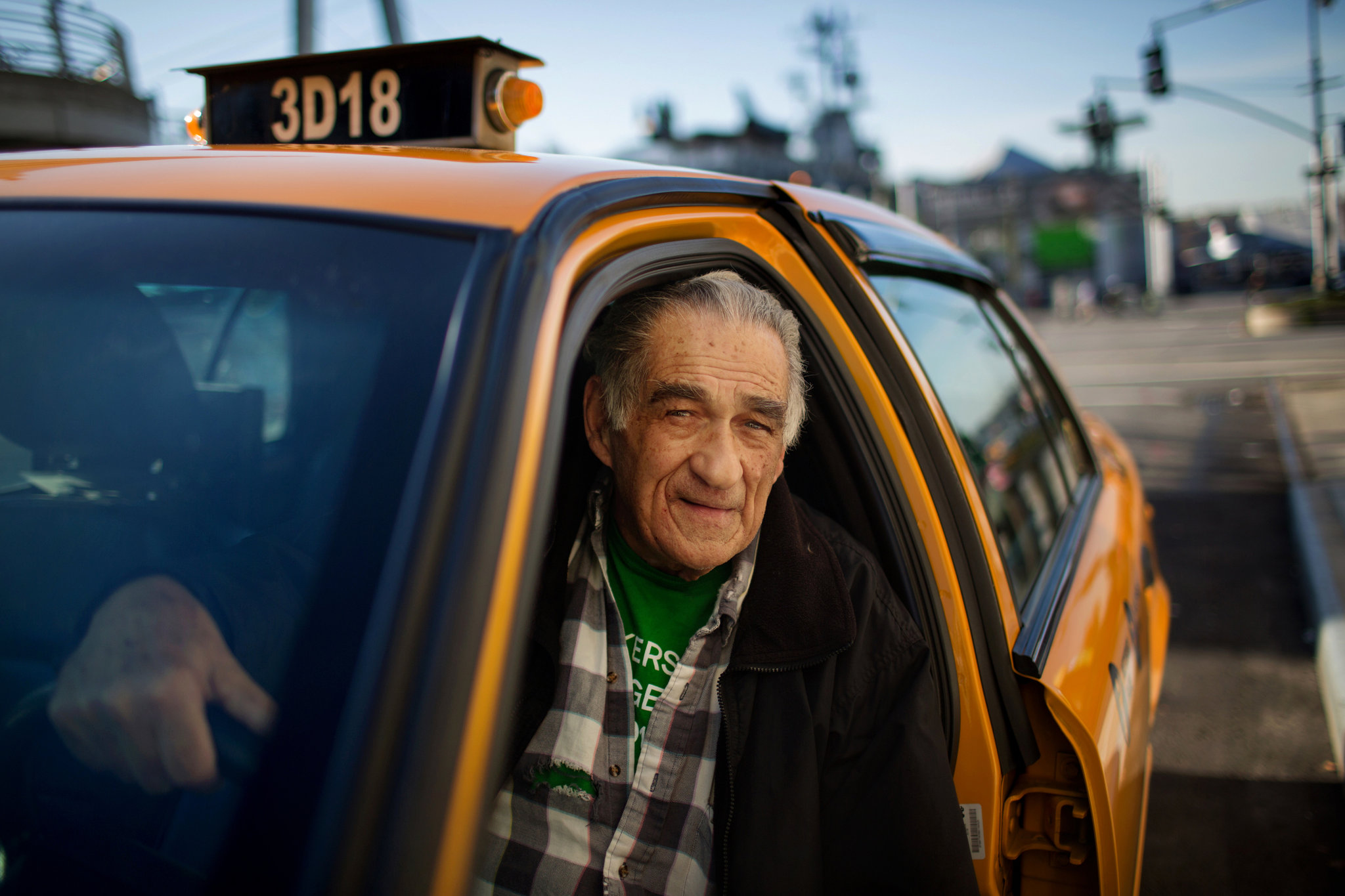
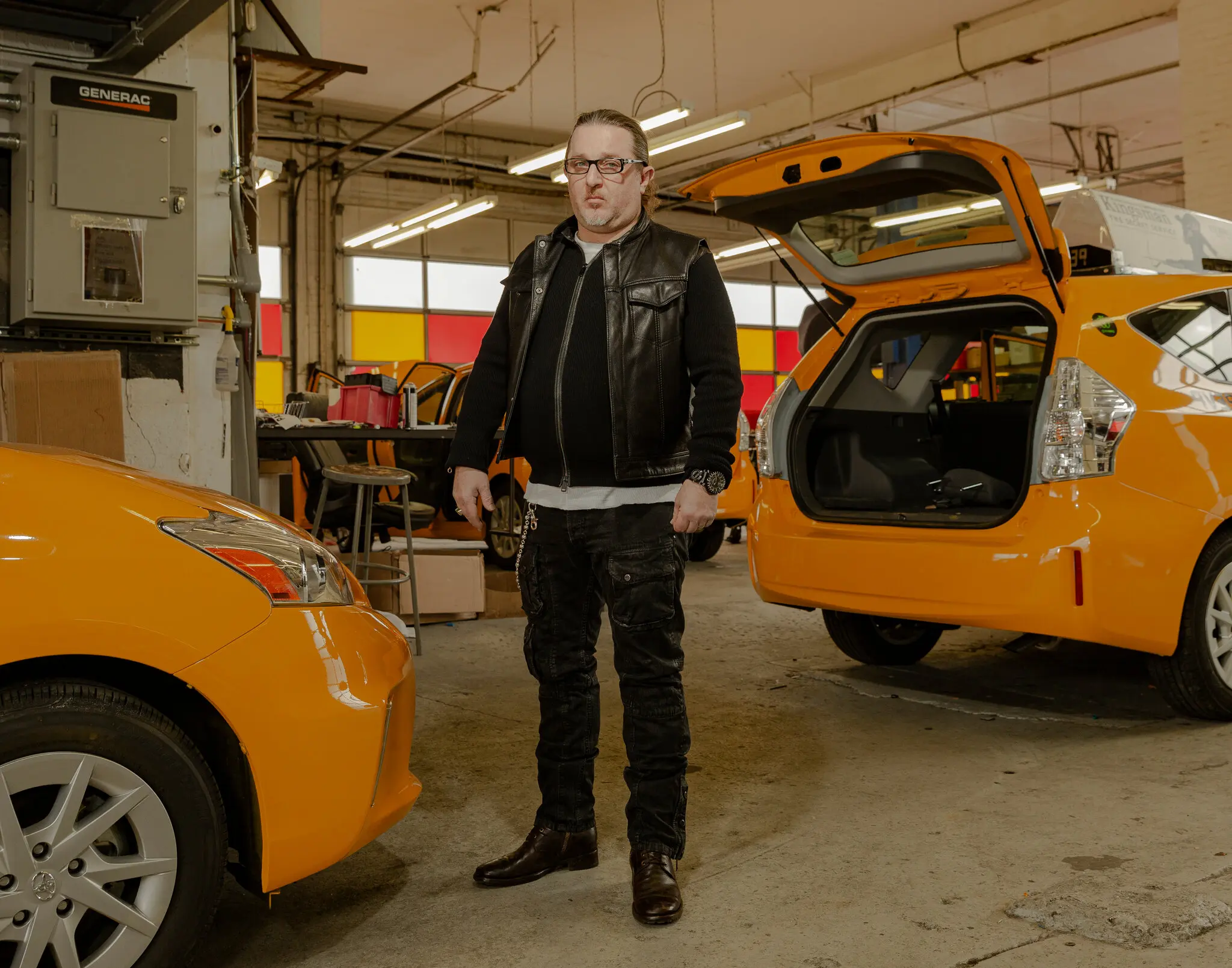
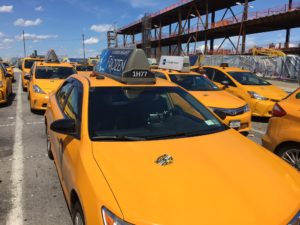
Instead picking up fares, taxi drivers held up signs. Demonstrating in front of one of the city’s largest fleet operations, cabbies are protesting what they call high and unfair leasing fees charged by the owners of the cab companies.
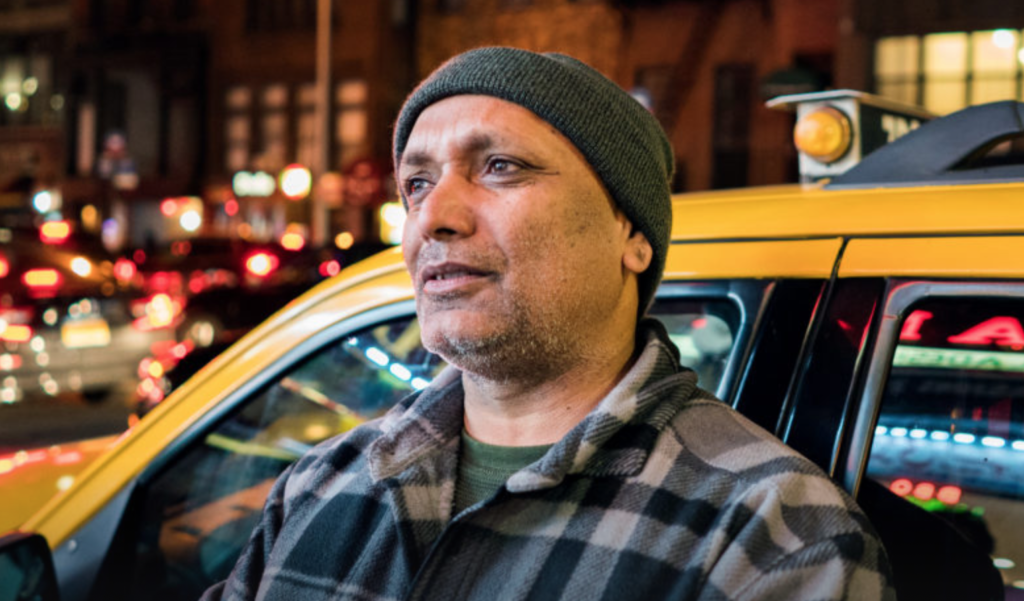
Ali Memon is from Pakistan and has supported his wife and three daughters as a cab driver 12 years.
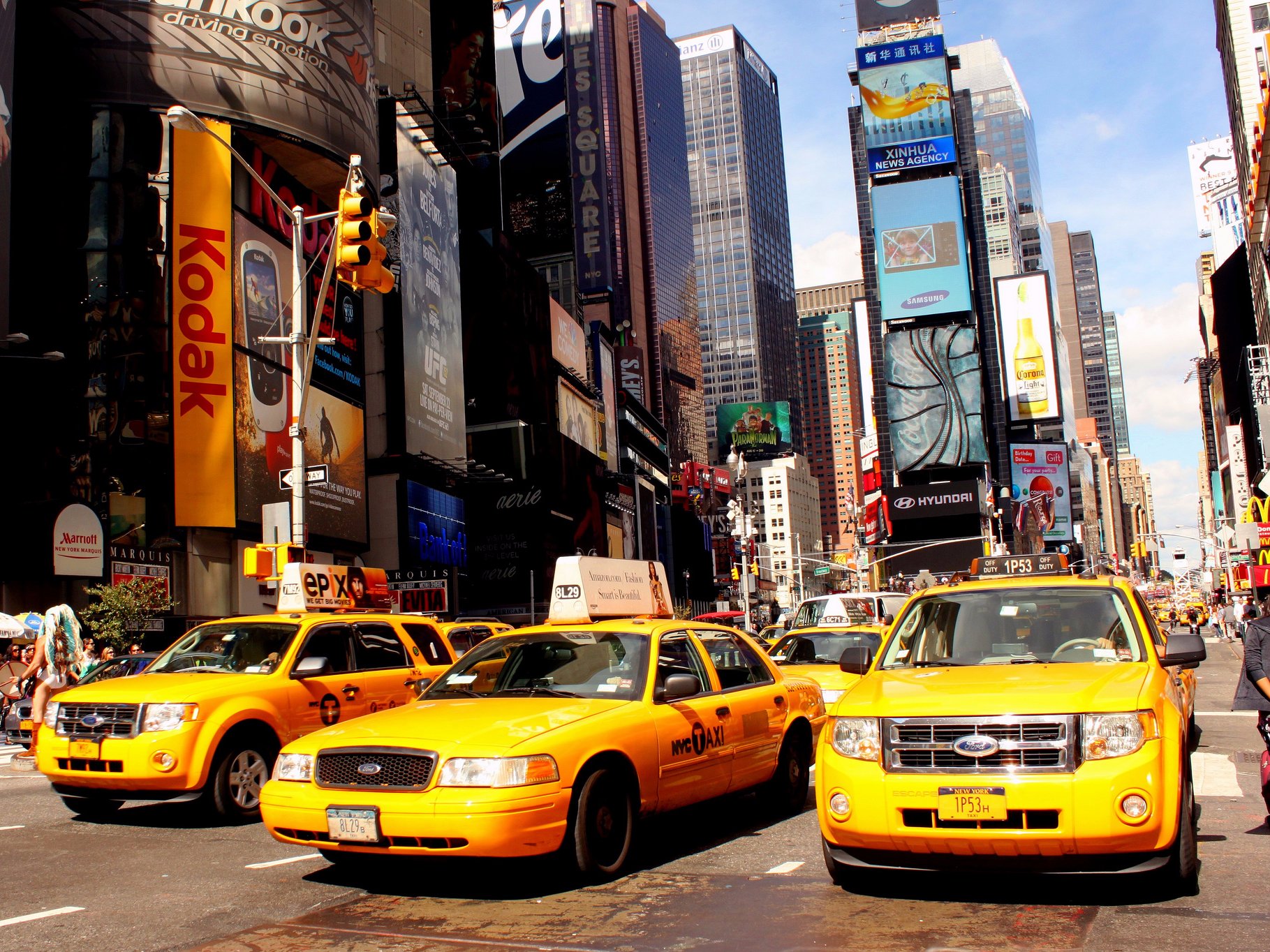
Most of New York’s 13 thousand taxicabs are owned by one of these large companies who then lease them out to drivers. The license fees are capped but not the finance charges for the car itself. Many here complain some owners with interest; charge as much as 60 thousand dollars on a vehicle that only costs 25 thousand.
[click to continue…]

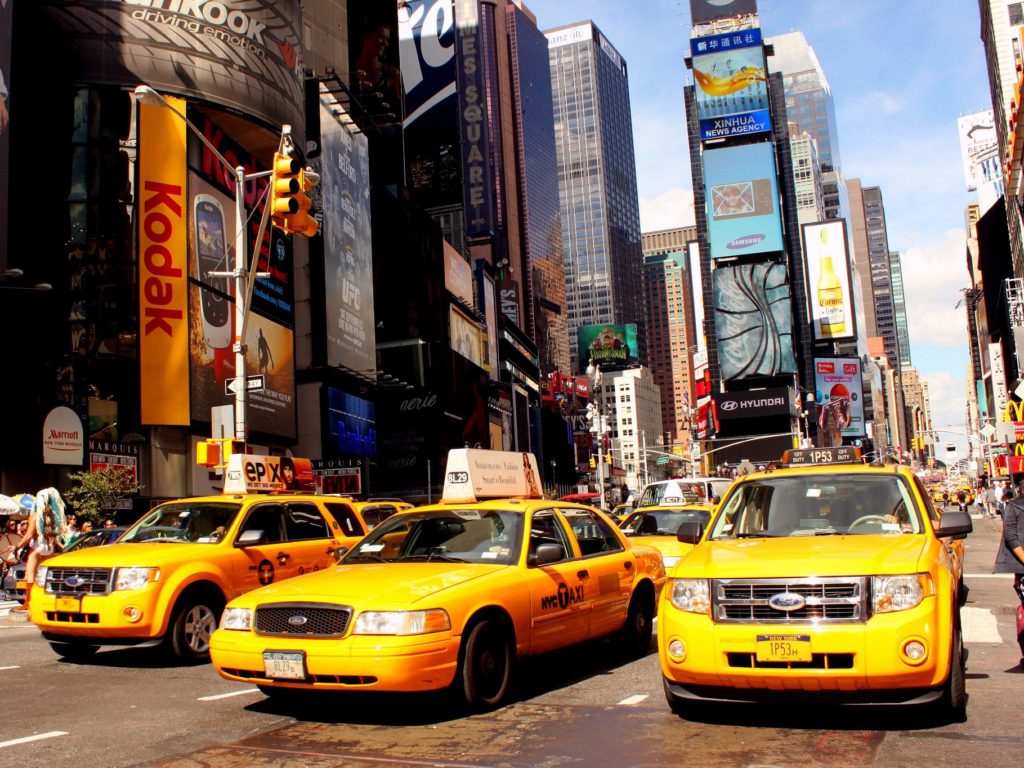
WHEELCHAIR users have long been deprived of a quintessential New York City experience: riding in a taxi. So after years of discussion, litigation and experimentation, the governor and the mayor of New York last month announced a deal to put 2,000 wheelchair-accessible cabs on the streets, setting aside up to $54 million in subsidies and loans to retrofit vehicles for wheelchair use or buy new wheelchair-accessible vehicles.
The plan is well intentioned but might not achieve the desired results. Rather than improving access for the disabled, it will require taxpayers and the taxi industry to foot the bill for taxis that will in all likelihood rarely be used by the target ridership. A more sensible alternative would be to set up a small fleet of wheelchair-accessible cabs that disabled passengers could call upon, through a centralized dispatch system, at any time of day or night, as part of the region’s mass transit system.
Advocates estimate that there are about 60,000 wheelchair users in the city — and that’s not counting out-of-town visitors. No one doubts that getting around New York in a wheelchair can be daunting. Most subway stations are not accessible; many bus stops are too distant for wheelchair users to reach; and the Metropolitan Transportation Authority’s van program for the disabled requires registration and making a reservation, usually days in advance.
[click to continue…]